Transmission fluid does not fail all at once. It gradually loses the qualities that help the transmission control heat, build hydraulic pressure, lubricate moving parts, and produce clean gear changes. Because the change occurs slowly, drivers often adjust to how the vehicle feels and do not realize the fluid has aged until shifting becomes noticeably different.
Mileage is one clue, but it is not the only one. Heat, traffic, towing, short trips, hills, and the transmission design all influence fluid life. A vehicle can have relatively low mileage and still be overdue if the fluid has spent years dealing with demanding driving conditions.
Why Transmission Fluid Changes As It Ages
Automatic transmission fluid works as both a lubricant and a hydraulic fluid. It flows through small passages, engages internal clutches, dissipates heat, and helps the transmission respond to commands from the vehicle’s computer. Fresh fluid contains additives that reduce friction, control deposits, protect seals, and resist foaming.
Those additives break down with time and heat. The fluid can become darker, thinner, oxidized, or contaminated with material from normal internal wear. Once its protective qualities decline, the transmission may run hotter, and its clutches, bearings, valves, and seals receive less protection.
Changes In Shifting Can Be An Early Sign
Old fluid may cause the transmission to hesitate when you select drive or reverse. Gear changes may feel firmer than they once did, or the transmission may hold a gear too long before shifting. Some vehicles develop a shudder during light acceleration or when the torque converter locks and unlocks.
These symptoms do not prove the fluid is the only problem. Worn mounts, faulty solenoids, valve body wear, software issues, low fluid, or internal damage can create similar behavior. Still, any clear change in shifting is a good reason to check the fluid condition and scan the transmission for stored faults.
Dark Fluid And A Burnt Smell Deserve Attention
Many types of fresh automatic transmission fluid are red or amber, although some manufacturers use other colors. As the fluid ages, it tends to darken. Slightly darker fluid is not automatically bad, but nearly black fluid, smells burnt, or contains heavy debris has likely been exposed to excessive heat or extended service.
Color alone should not decide whether service is needed. Some fluid darkens normally, while certain transmission designs make it difficult to inspect without removing a plug or checking it at a specified temperature. A proper inspection looks at color, odor, level, contamination, service history, and the way the transmission operates.
Low Fluid Can Look Like Old Fluid
Low transmission fluid can create many of the same symptoms as worn-out fluid. The vehicle may hesitate before moving, slip between gears, whine, shift harshly, or feel inconsistent when cold. Low fluid also allows air to enter the hydraulic system, which can interfere with pressure and lubrication.
Transmission fluid normally does not disappear. If the level is low, there may be a leak from a pan gasket, cooler line, axle seal, electrical connector sleeve, case seal, or another fitting. Adding fluid without finding the leak only delays the repair, and using the wrong fluid can cause additional shifting problems.
Driving Conditions Affect How Long Fluid Lasts
A vehicle driven mostly on open highways places different demands on its transmission than one used in heavy traffic. Repeated stop-and-go driving builds heat because the transmission shifts frequently and the torque converter spends more time working. Towing, carrying heavy loads, climbing hills, and driving in hot weather add even more stress.
Short trips can be demanding too. The transmission repeatedly heats and cools without always reaching a stable operating temperature. If your driving falls into one of these categories, the severe-service interval in the owner’s information may be more appropriate than the longest listed interval.
Why Mileage Recommendations Vary So Much
There is no single transmission fluid interval that fits every vehicle. Some manufacturers recommend service at relatively modest mileage, while others recommend longer intervals or describe the fluid as lasting longer. The correct answer depends on the transmission, fluid specification, driving pattern, age, and previous service history.
A fluid described as long-life is not immune to heat, contamination, or wear. It still works inside a mechanical assembly with clutches, gears, bearings, and seals. Regular maintenance should be based on the vehicle's actual use, rather than waiting for the transmission to develop a serious symptom.
A Fluid Change And A Flush Are Not The Same
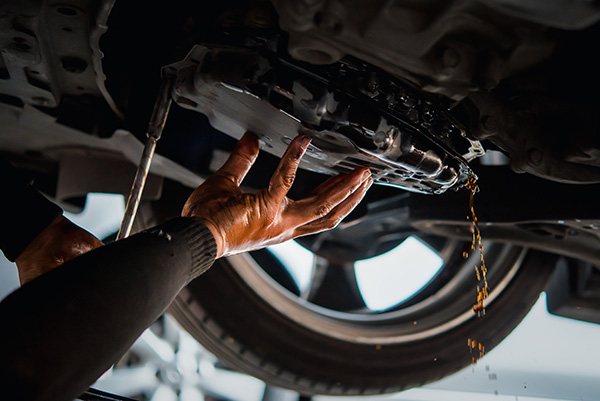
A basic drain-and-fill removes part of the old fluid and replaces it with the correct new fluid. Some services also include removing the pan, replacing a filter, cleaning magnets, and installing a new gasket. The exact procedure depends on the transmission design.
A machine exchange replaces a larger percentage of the fluid, but it is not the best choice for every vehicle. High-mileage transmissions with unknown service history, burnt fluid, heavy debris, or existing slipping need careful evaluation first. The goal is not to force a single procedure on every car. It is to choose the safest service based on fluid condition and transmission health.
Do Not Wait For The Transmission To Slip
Slipping, delayed engagement, or harsh shifting can mean the transmission has already been operating with a problem for some time. Fluid service is preventive care, not a guaranteed repair for worn internal parts. Once clutch material or hard parts are damaged, fresh fluid cannot reverse that wear.
Checking the fluid before symptoms become severe gives you more options. Service records, fluid condition, scan data, leak checks, and a road test can show whether routine service is appropriate or whether the transmission needs deeper diagnostics.
Get Transmission Fluid Service In San Mateo, CA, With Four Car Garage
If you are unsure how old your transmission fluid is or your vehicle has started shifting differently, Four Car Garage in San Mateo, CA, can check the fluid, look for leaks, and review the correct service procedure for your transmission.
Contact us to schedule an appointment before old or low fluid contributes to more expensive wear.