Posted on 7/31/2026
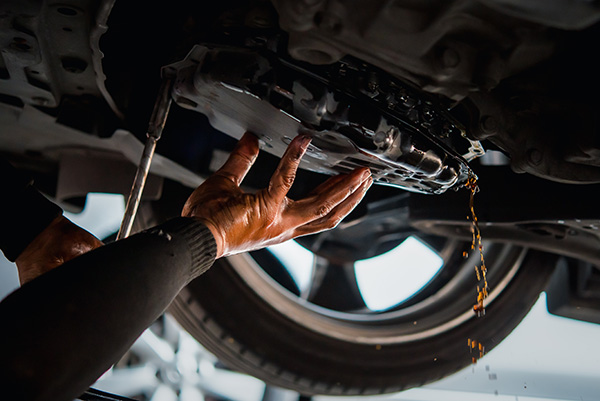
Transmission fluid does not fail all at once. It gradually loses the qualities that help the transmission control heat, build hydraulic pressure, lubricate moving parts, and produce clean gear changes. Because the change occurs slowly, drivers often adjust to how the vehicle feels and do not realize the fluid has aged until shifting becomes noticeably different. Mileage is one clue, but it is not the only one. Heat, traffic, towing, short trips, hills, and the transmission design all influence fluid life. A vehicle can have relatively low mileage and still be overdue if the fluid has spent years dealing with demanding driving conditions. Why Transmission Fluid Changes As It Ages Automatic transmission fluid works as both a lubricant and a hydraulic fluid. It flows through small passages, engages internal clutches, dissipates heat, and helps the transmission respond to commands from the vehicle’s computer. Fresh fluid contains additives that reduce friction, co ... read more
Posted on 6/26/2026
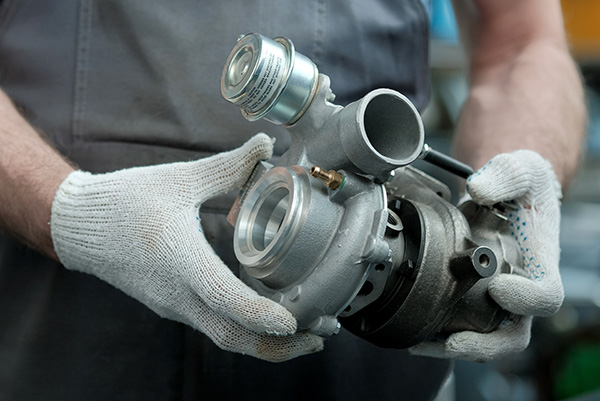
A turbocharged engine can make sounds that feel different from a naturally aspirated engine. A light spool sound under acceleration can be normal, especially on vehicles where the turbo is easier to hear. The concern arises when the sound changes, becomes louder, turns into a sharp whistle, or occurs with power loss. A new whistling sound deserves attention because turbo systems depend on controlled air pressure, clean oil flow, tight hoses, and accurate sensor readings. When one part starts leaking or struggling, the noise can be the first clue that something is no longer working the way it should. Normal Turbo Spool Vs. A Problem Whistle Turbochargers make a boost by using exhaust energy to spin a turbine and compressor wheel. As the turbo builds pressure, some sound is normal. You may hear a faint spool or whoosh during acceleration, especially if the vehicle has a performance intake or less sound insulation. A problem whistle tends to sound sharper, louder, or ... read more
Posted on 5/29/2026
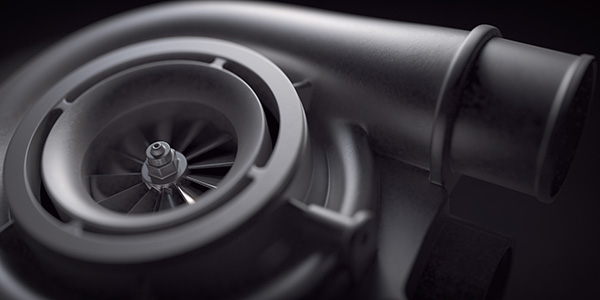
A turbocharged engine can feel great when everything is working. Quick response, strong pull, and plenty of power from a smaller engine. When the turbo system starts acting up, though, the change can be hard to miss. Sometimes it is smoke. Sometimes it is a new whistle, a loss of power, or a car that suddenly feels lazy when you hit the gas. The tricky part is that turbo problems can also feel like fuel, ignition, exhaust, or sensor problems, so the whole system needs to be checked before making a major repair decision. What The Turbo Does Every Time You Drive A turbocharger uses exhaust energy to spin a turbine, which helps force more air into the engine. More air allows the engine to make more power when the fuel and computer controls are working correctly. That extra performance is why many modern engines use turbochargers. The turbo lives in a tough spot. It spins extremely fast, withstands high heat, and requires clean oil for lubrication. If the oil supply, a ... read more
Posted on 4/15/2026
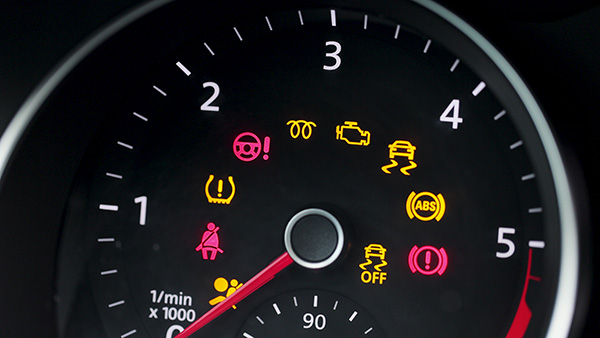
Car problems rarely start with clear answers. A warning light comes on, the car feels different, or a noise appears without warning. That uncertainty leads drivers to search for answers before deciding what to do next. Understanding the most common questions helps you respond more quickly and avoid unnecessary repairs. It also helps you recognize when a problem needs immediate attention. 1. What Does A Check Engine Light Mean? A check engine light means the system has detected a fault. A steady light points to something that should be checked soon. A flashing light is more urgent and often tied to a misfire. That condition can damage the catalytic converter if driving continues. 2. Why Is My Car Overheating? Overheating usually means the cooling system is not doing its job. Low coolant, leaks, or failing components are common causes. Driving while overheated increases the risk of engine damage, so it is better to stop and have it checked ... read more
Posted on 3/15/2026

Preventive maintenance is mostly about reducing surprises. The confusing part is that two cars with the same mileage can need very different things depending on how they’re driven, where they’re parked, and what they’ve already had done. These FAQs will help you spot what’s worth doing now versus what can wait. 1. What Is Preventive Maintenance? It means servicing wear items and fluids before they cause breakdowns or secondary damage. Think of regular maintenance as a way to keep small wear from turning into a big inconvenience. 2. How Often Should I Change My Oil If I Drive Mostly Short Trips? Short trips can be harder on oil because the engine spends more time warming up and moisture has less time to burn off. If your driving is mostly short hops, tighter oil intervals often make sense. 3. Do I Really Need To Rotate Tires If They Look Fine? Yes, because uneven wear starts before it’s obvious by ey ... read more