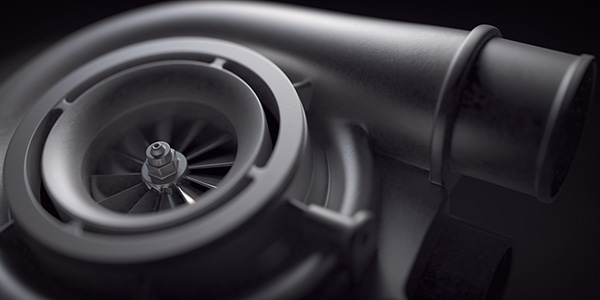
A turbocharged engine can feel great when everything is working. Quick response, strong pull, and plenty of power from a smaller engine. When the turbo system starts acting up, though, the change can be hard to miss.
Sometimes it is smoke. Sometimes it is a new whistle, a loss of power, or a car that suddenly feels lazy when you hit the gas. The tricky part is that turbo problems can also feel like fuel, ignition, exhaust, or sensor problems, so the whole system needs to be checked before making a major repair decision.
What The Turbo Does Every Time You Drive
A turbocharger uses exhaust energy to spin a turbine, which helps force more air into the engine. More air allows the engine to make more power when the fuel and computer controls are working correctly. That extra performance is why many modern engines use turbochargers.
The turbo lives in a tough spot. It spins extremely fast, withstands high heat, and requires clean oil for lubrication. If the oil supply, airflow, boost control, or cooling is off, the turbo can wear faster than it should. That is why regular maintenance matters so much on turbocharged engines.
Smoke From The Exhaust Is A Big Clue
Smoke is one of the signs drivers notice first. Blue smoke can point toward oil burning, and a turbo can be part of that if the seals are worn or oil is getting into the intake or exhaust side. You may see it after idling, during acceleration, or after the engine has been under load.
Black smoke can point toward too much fuel or not enough air. That could involve a boost leak, a restricted air filter, a sensor issue, or a turbo that is not building pressure correctly. White smoke can mean different things, including coolant or fuel-related trouble, so color alone is not enough. In our shop, we pair smoke symptoms with oil level, boost readings, exhaust smell, and scan data before calling the turbo the problem.
Whining, Siren Sounds, Or Grinding Noises
A healthy turbo makes some sound, but a new, loud whine warrants attention. Drivers sometimes describe it as a siren, a dentist's drill, or a high-pitched whistle that rises with engine speed. That can happen when bearings are wearing or when the turbo is no longer spinning cleanly.
A boost leak can also make a loud whoosh or hiss under acceleration. That might come from a cracked hose, a loose clamp, a split intercooler pipe, or a damaged boot. Grinding or scraping is more serious because it can mean the turbo wheel is touching the housing. If you hear that, stop pushing the engine hard and get it checked.
Power Loss Under Acceleration
A turbo problem usually shows itself when the engine is asked to work. Around town, the car might feel normal. Then you merge onto the highway or climb a hill, and the power is not there. The engine revs, but the pull feels weak.
Power loss can come from a failing turbo, but it can also come from a boost leak, a clogged catalytic converter, a bad sensor, a fuel delivery issue, an ignition problem, or carbon buildup. One of our technicians will usually look at boost pressure, air leaks, fault codes, and fuel control before deciding what is actually holding the engine back.
Oil Leaks Around Turbo Parts
Turbochargers need oil, but that oil has to stay where it belongs. Oil around the turbo housing, intercooler piping, or intake tubes can point toward a leak or worn seal. A small film inside some intake piping can be normal on certain vehicles, but wet oil, dripping, or oil smoke tells a different story.
Low oil is especially hard on a turbo. The bearings rely on oil flow, and they do not forgive neglect for long. If the vehicle is using oil between services, has a burning smell, or leaves spots under the engine, an inspection should happen before the turbo is blamed or damaged further.
Warning Lights And Limp Mode
Many turbocharged vehicles will reduce power when the computer sees boost pressure too high, too low, or unstable. Drivers call this limp mode because the car feels held back. It may happen suddenly after a hard acceleration, then reset after the car is restarted.
That pattern is useful information. It can point toward wastegate trouble, boost control solenoids, vacuum lines, sensors, diverter valves, or leaks in the charge piping. Clearing the light without testing usually just delays the same problem. The stored data can show what the vehicle saw when power was reduced.
Why Early Turbo Repair Saves Money
Turbo repairs get expensive when worn parts send oil, metal, or debris through the intake or exhaust system. A failing turbo can damage the intercooler, catalytic converter, oxygen sensors, or the engine if the issue progresses. A loose hose or bad control valve caught early is a much different repair than a turbo that has failed internally.
The best time to check a turbocharged engine is when the symptom is still specific. New smoke, new noise, weak boost, oil use, or warning lights all give a shop a path to follow. Waiting until the car barely accelerates usually leaves fewer options.
Get Turbo Repair In San Mateo, CA, With Four Car Garage
If your turbocharged vehicle is smoking, whining, losing power, leaking oil, or going into reduced power mode, Four Car Garage in San Mateo, CA, can test the system and find the cause.
Bring it in while the symptom is still clear, before a smaller boost or oil issue turns into a more expensive turbo repair.