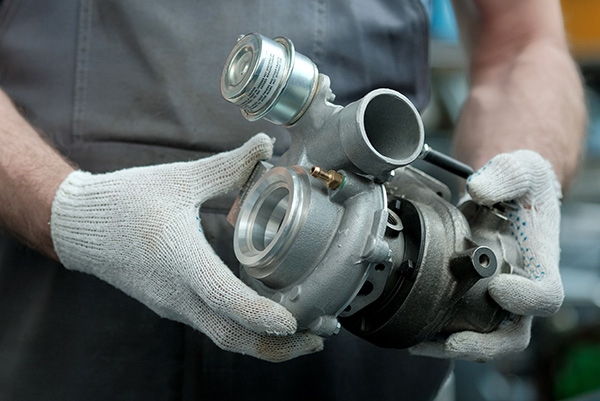
A turbocharged engine can make sounds that feel different from a naturally aspirated engine. A light spool sound under acceleration can be normal, especially on vehicles where the turbo is easier to hear. The concern arises when the sound changes, becomes louder, turns into a sharp whistle, or occurs with power loss.
A new whistling sound deserves attention because turbo systems depend on controlled air pressure, clean oil flow, tight hoses, and accurate sensor readings. When one part starts leaking or struggling, the noise can be the first clue that something is no longer working the way it should.
Normal Turbo Spool Vs. A Problem Whistle
Turbochargers make a boost by using exhaust energy to spin a turbine and compressor wheel. As the turbo builds pressure, some sound is normal. You may hear a faint spool or whoosh during acceleration, especially if the vehicle has a performance intake or less sound insulation.
A problem whistle tends to sound sharper, louder, or more sudden than normal. It may happen only under boost, when merging, or when climbing a hill. If the vehicle also feels slower, hesitates, smokes, or shows a dashboard warning light, the sound should be checked before the issue spreads.
Boost Leak Symptoms In A Turbocharged Engine
A boost leak is one of the most common reasons a turbocharged engine whistles. Pressurized air can escape through a cracked hose, loose clamp, damaged intercooler, split coupler, leaking gasket, or loose connection. When that air escapes, it can create a high-pitched whistle or rushing sound.
Common boost leak clues include:
- Whistling during acceleration
- Lower engine power
- Hesitation when boost builds
- Poor fuel economy
- Check engine light
- Black smoke on some engines
A boost leak can make the turbo work harder to reach the requested pressure. That extra strain is not good for long-term turbo health, so the leak should be found with proper testing rather than ignored.
Vacuum Leaks And Intake Air Leaks
Not every whistling sound comes from the pressurized side of the turbo system. Air leaks before the turbo or around the intake system can also create noise. A cracked intake boot, loose hose, damaged PCV connection, or leaking intake gasket can let unmetered air enter the engine.
That can affect idle quality, fuel trims, acceleration, and overall engine response. The vehicle may run lean, stumble, or set fault codes that seem unrelated at first. An inspection helps determine whether the whistle is caused by boost pressure escaping or by outside air entering where it should not.
Turbocharger Bearing Wear And Shaft Play
A turbocharger spins at extremely high speeds, so it depends on clean oil and tight internal tolerances. If the bearings begin wearing, the turbo can develop shaft play. That movement can create whining, whistling, scraping, or siren-like sounds that get louder with engine speed.
Bearing wear is more serious than a loose hose. If the compressor or turbine wheel contacts the housing, turbo damage can happen quickly. Oil smoke, reduced boost, metal noise, or oil in the intake piping can all point to a turbo that needs closer inspection.
Wastegate Or Diverter Valve Noise
Turbo systems use control parts to manage boost pressure. A wastegate helps control exhaust flow to the turbo, while a diverter valve or blow-off-style valve releases pressure when the throttle closes. If one of these parts sticks, leaks, or fails to seal correctly, the driver may hear fluttering, whistling, or odd pressure-release sounds.
These parts can also affect power delivery. The engine may feel inconsistent, build boost slowly, or lose boost sooner than it should. Since the symptoms can feel like a bad turbo, the control parts should be tested before assuming the turbocharger itself has failed.
Oil Problems That Hurt Turbo Health
Turbochargers need a steady oil flow for lubrication and cooling. Low oil, dirty oil, wrong oil viscosity, clogged oil feed lines, or delayed oil changes can all shorten turbo life. The turbo may start making noise before the engine shows more severe symptoms.
Oil-related turbo problems can also cause blue smoke, burning smells, or oil residue in the intake system. Regular maintenance is especially important on turbocharged engines because heat and oil quality have such a direct effect on the turbo. If the oil level is low or the service history is unclear, that needs to be part of the diagnostic process.
Why Turbo Whistling Should Be Tested Early
A whistle by itself does not always mean the turbocharger is failing. It could be a clamp, hose, gasket, valve, intake leak, exhaust leak, or control issue. That is why careful testing matters. A technician may check boost pressure, smoke test the intake system, inspect hoses, scan data, check oil condition, and road test the vehicle under load.
The goal is to find the source before a small air leak becomes a stressed turbo or a worn turbo sends debris into the intake. Turbo systems are repairable when symptoms are caught early, but they do not respond well to long delays.
Get Turbocharged Engine Repair In San Mateo, CA, With Four Car Garage
If your turbocharged engine has a new whistling sound, weak boost, smoke, hesitation, or warning lights, Four Car Garage in San Mateo, CA, can inspect the turbo system and find the source of the noise.
For turbocharged engine testing, boost-leak checks, and repairs, contact us to schedule an appointment.